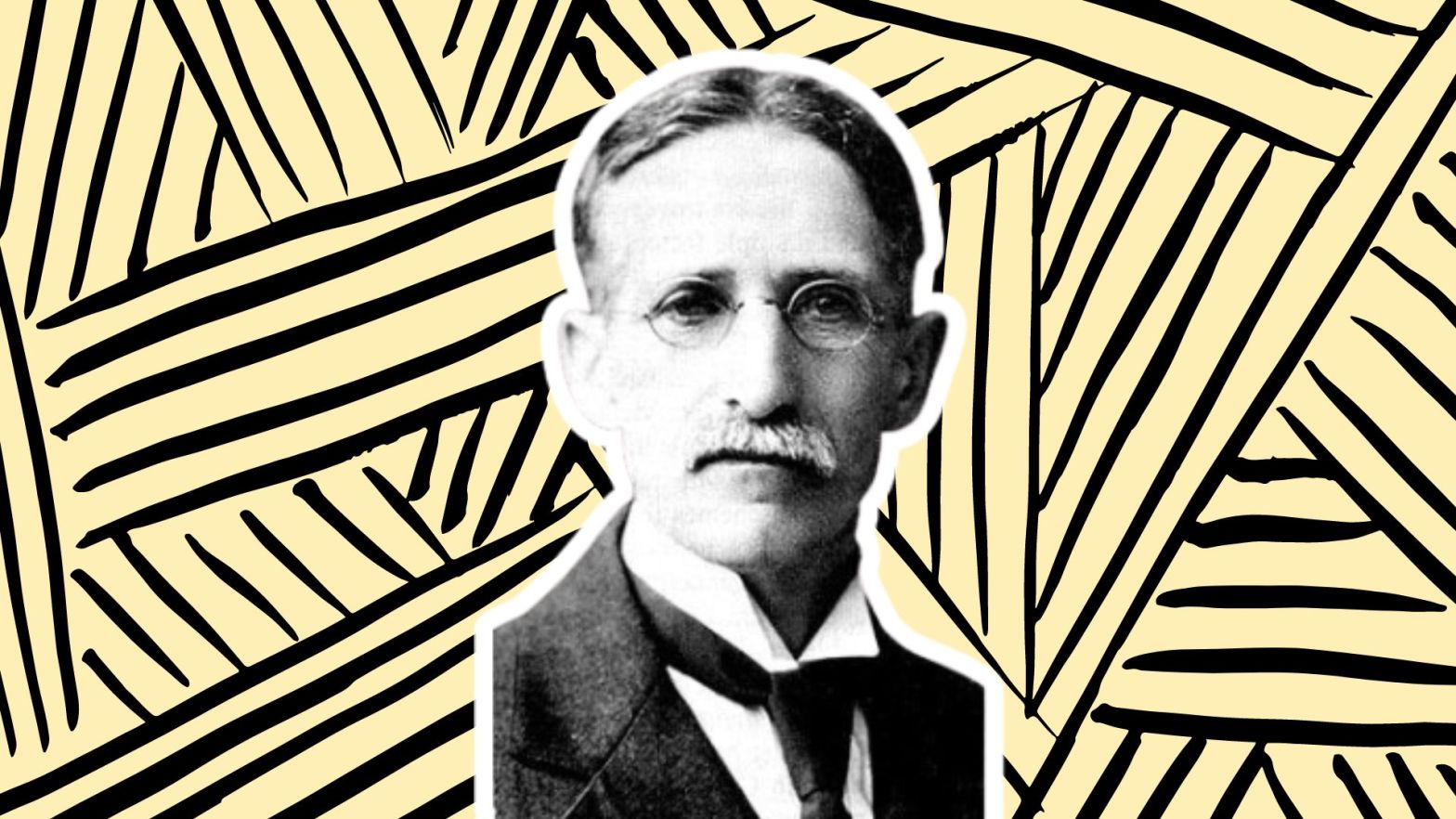
William Ernest Castle, a pioneering figure in genetics, played a critical role in integrating Mendel’s laws of inheritance with mammalian genetics, particularly using mice as a model. Castle’s work in the early 20th century at Harvard University’s Bussey Institute laid the groundwork for genetic research on mammals, demonstrating the applicability of Mendelian genetics to complex organisms beyond plants. His introduction of fancy mice into genetic research around 1902 marked a pivotal moment, enabling systematic analysis of inheritance and genetic variation not just in mice but also in other mammals.
Castle’s leadership at the Bussey Institute trained a generation of geneticists, including notable figures like Clarence Little, Sewall Wright, and George Snell, establishing a legacy that would profoundly influence the field of mammalian genetics. Under Castle’s guidance, the understanding of genetic factors, such as coat color in mammals, was significantly advanced, contributing to the broader field of genetics and even influencing the development of inbred mouse strains used in research today.
Moreover, Castle’s work extended beyond laboratory research to include an interest in eugenics, advocating for the objective evaluation of hereditary and environmental influences on human characteristics. Throughout his career, Castle maintained a focus on understanding the genetic basis of traits and diseases, laying the foundation for the use of mice in genetic and biomedical research that continues to this day.
Castle’s early support for Mendel’s work and his efforts to apply Mendelian principles to mammals underscored the importance of genetics in understanding natural selection and evolution. His foresight and dedication to genetics not only advanced the scientific understanding of heredity but also set the stage for future research that continues to explore the genetic underpinnings of life.
 MisterMiceGuy