Cognition, a term that captivates the interest of psychologists and biologists alike, stands at the forefront of understanding how both humans and animals interact with their environments. Despite the lack of a universally agreed-upon definition, cognition can broadly be conceptualized as the complex covert behavior involving the mechanisms through which animals acquire, process, store, and act on information from their surroundings. This encompasses a wide array of processes including perception, learning, memory, and decision-making.
The Breadth of Cognitive Research
Cognitive research spans various domains, delving into how entities understand and navigate the world. From how birds classify songs in their natural habitat to the way ants find their way in the desert, the study of cognition extends beyond the confines of a laboratory setting. It also examines the cognitive underpinnings of tool use, as seen in crows, or the principles of spatial cognition that guide rats through mazes. These examples highlight the versatility of cognitive processes across species and situations.
Cognition Beyond the Visible
One of the pivotal aspects of cognition is its role as a mediator between stimuli and overt behavior. This mediation process showcases how internal, covert activities can have profound impacts on visible actions. For instance, the cognitive evaluation of a threat can lead to the physical act of fleeing, where the covert process of assessing danger influences the overt behavior of escape. This mediation underlines the significance of cognition in navigating the complexities of the environment, for both humans and animals alike.
The Spectrum of Cognition
Cognition embodies a spectrum that ranges from declarative knowledge (“knowing that”) to procedural knowledge (“knowing how”), each playing a critical role in how information is utilized and acted upon. This spectrum further divides into first-order processes, such as the direct response to stimuli, and higher-order processes that involve more complex evaluations like the strength of a memory. The diversity in cognitive operations across species accentuates the adaptability and evolutionary significance of these processes, underscoring the importance of an inclusive approach to studying cognition.
Conclusion
Cognition, in its essence, represents the intricate web of covert behaviors that mediate our interactions with the world. The vast areas of cognitive research illuminate the rich tapestry of mental processes that underpin the overt behaviors observed in both humans and animals. By embracing the multifaceted nature of cognition, we gain insights into the profound ways in which beings perceive, learn from, and respond to their environments, paving the way for advancements in understanding the mind’s intricate workings.
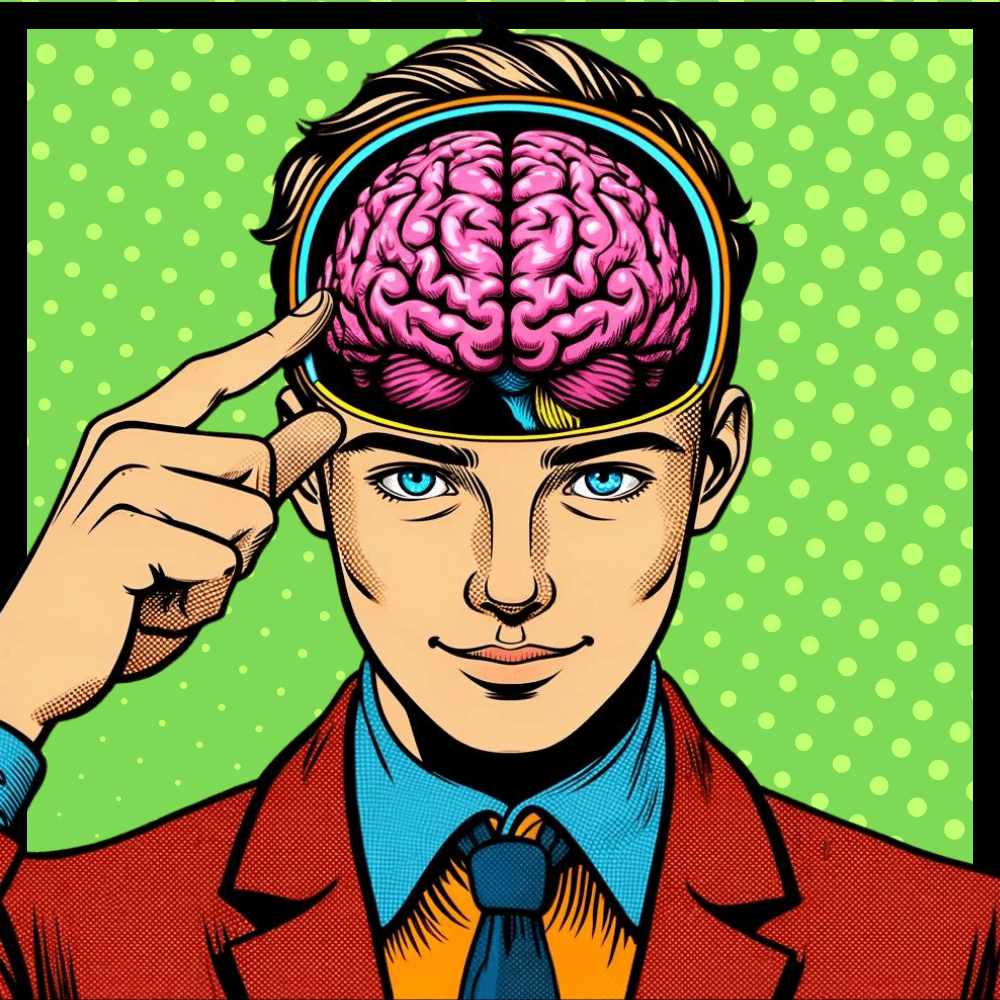
Now, let’s encapsulate the essence of this exploration into cognition with a comic book-style image that visually represents the intricate relationship between cognition, covert behaviors, and their mediation of overt actions.
 MisterMiceGuy