In the fascinating landscape of psychology, learning is a complex and multifaceted process that goes beyond the simple associations between stimuli and responses. Enter the realm of non-associative learning, a foundational aspect of cognitive behaviorism that reveals how our responses to stimuli can change over time, independent of rewards or punishments. This blog post delvesContinue reading “Non-Associative Learning”
Author Archives: Ryan David Tuttle, M.A.; Educator
The Comparative Approach in Psychology

The Comparative Approach in Psychology: Bridging Human and Animal Minds Imagine walking into a laboratory where you might witness a rat skillfully navigating a maze or a pigeon pecking away at levers for rewards. These scenes are not just about animal antics but reflect a deep quest within the field of psychology — a questContinue reading “The Comparative Approach in Psychology”
Psychologist or Biologist?

In the exploration of the natural world, the roles of psychologists and biologists often appear distinctly separate, with each discipline marked by its unique methods and areas of focus. Historically, psychologists have delved into the intricacies of behavior and cognition within controlled laboratory settings, while biologists have ventured into the wild, studying how the environmentContinue reading “Psychologist or Biologist?”
What is Cognition?
Cognition, a term that captivates the interest of psychologists and biologists alike, stands at the forefront of understanding how both humans and animals interact with their environments. Despite the lack of a universally agreed-upon definition, cognition can broadly be conceptualized as the complex covert behavior involving the mechanisms through which animals acquire, process, store, andContinue reading “What is Cognition?”
Tinbergens Four Questions
Cognitive Behaviorism
Cognition, a multifaceted and dynamic construct, eludes a singular definition, as it encompasses a vast array of mental processes involved in acquiring, processing, storing, and utilizing information. B.F. Skinner’s notion of “covert” behavior introduces the idea that cognitive processes are not always overt actions but can also be internal and covert, shaping our thoughts andContinue reading “Cognitive Behaviorism”
Thinking like a scientist
Roly-Poly

Roly-Polies: The Fascinating World of Pill Bugs Roly-polies, also known as pill bugs, woodlice, or by their scientific name, Armadillidium vulgare, are one of the most intriguing and familiar creatures found in gardens, forests, and even urban areas around the globe. Despite their common association with insects, roly-polies are actually crustaceans, more closely related toContinue reading “Roly-Poly”
B.F. Skinner & Operant Conditioning
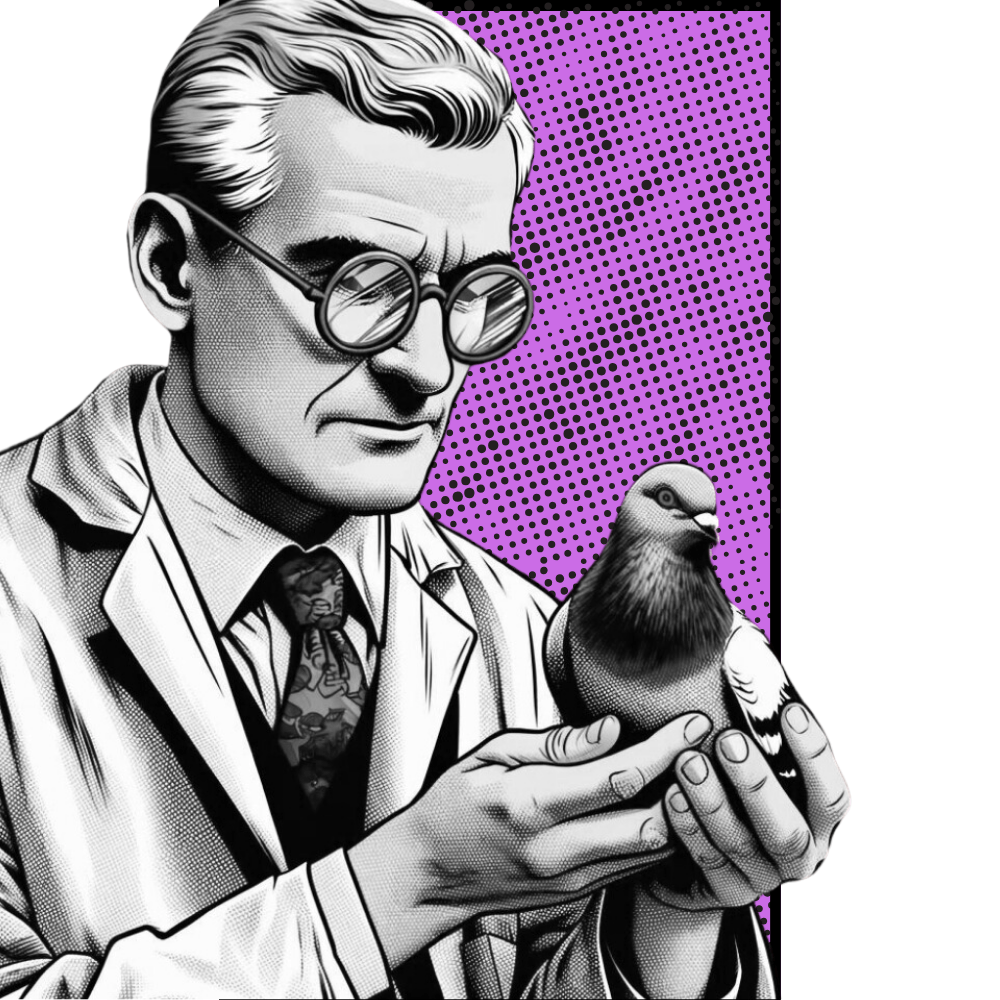
B.F. Skinner B.F. Skinner, born Burrhus Frederic Skinner in 1904, was an influential American psychologist, author, inventor, and social philosopher. Known for his work in developing the theory of behaviorism and for his novel research methods, Skinner’s contributions to psychology have shaped the way we understand learning, behavior, and education. Early Life and Education SkinnerContinue reading “B.F. Skinner & Operant Conditioning”
William Ernest Castle
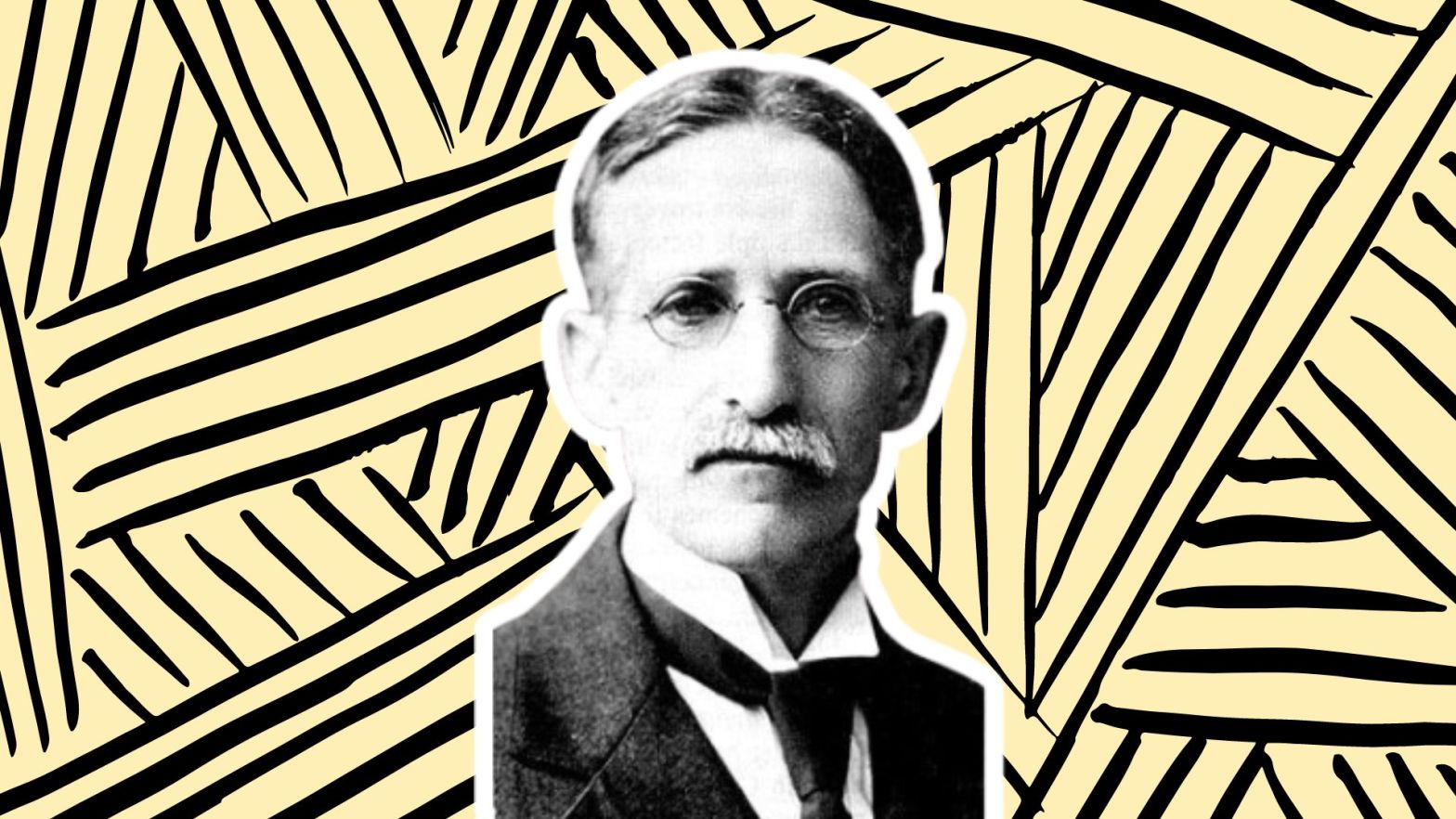
William Ernest Castle, a pioneering figure in genetics, played a critical role in integrating Mendel’s laws of inheritance with mammalian genetics, particularly using mice as a model. Castle’s work in the early 20th century at Harvard University’s Bussey Institute laid the groundwork for genetic research on mammals, demonstrating the applicability of Mendelian genetics to complexContinue reading “William Ernest Castle”
 MisterMiceGuy