background
care
Breeding & reproduction
Try Science, You'll Like It

background
care
Breeding & reproduction

In the fascinating world of psychology, particularly within the study of behavior, you’ll frequently encounter the term “stimuli.” But what exactly does this term mean, and why is it so crucial in both human and animal psychology? Let’s dive into a simple explanation of stimuli and uncover their pivotal role in behavior.
A stimulus (plural: stimuli) is any event or situation that evokes a response from an organism. In simpler terms, it’s something that can be seen, heard, touched, smelled, or tasted that causes a reaction. Stimuli are not limited to external factors; they can also be internal, such as thoughts or emotions.
In the context of cognitive behaviorism, stimuli play a central role. Cognitive Behaviorism suggests that both observable actions (like jumping in response to a sound) and non-observable actions (like feeling anxious when thinking about an upcoming exam) are forms of behavior triggered by stimuli.
Stimuli can be categorized in various ways, depending on their nature and the response they elicit. Here are a few types:
Understanding stimuli is essential in the realms of learning and behavior modification. For example, in classical conditioning, a neutral stimulus (like the sound of a bell) can become associated with an unconditioned stimulus (like food that naturally causes salivation in dogs) to produce a conditioned response (salivation at the sound of the bell alone).
Behaviorists also study how stimuli control behavior and how changing the stimulus can alter behavior. This knowledge is applied in various fields, from education and therapy to animal training and beyond, helping to develop strategies for promoting desired behaviors and reducing unwanted ones.
Stimuli are the building blocks of behavior, serving as the catalysts for both our actions and reactions. By understanding how stimuli influence behavior, we can gain insights into our own actions and those of the world around us, opening the door to improved learning techniques, more effective behavior modification strategies, and a deeper appreciation for the complexities of psychological processes. Whether we’re studying humans or animals, recognizing the power of stimuli allows us to better navigate the world of behavior with clarity and precision.

In the fascinating realm of psychology, the concepts of overt and covert behaviors provide a window into the multifaceted nature of human actions and thoughts. These two types of behaviors form the bedrock of how we understand, predict, and influence human actions in various settings, from clinical therapy to educational environments. This blog post delves into the nuances of overt and covert behaviors, elucidating their differences and implications for our understanding of human behavior.
Overt behaviors are the actions that can be observed and measured from the outside. They are the external manifestations of an individual’s interaction with their environment. These behaviors include walking, talking, smiling, and any other physical activity that can be seen, heard, or otherwise detected by others. Overt behaviors are the primary focus of traditional behaviorism, which posits that psychological study should be based on observable actions rather than on unobservable internal processes.
The study of overt behavior is fundamental in fields such as education, where teachers observe students’ responses to learning materials to assess comprehension and engagement. Similarly, in clinical settings, therapists may monitor a patient’s overt behaviors as indicators of progress or distress.
Covert behaviors, on the other hand, are internal actions that cannot be directly observed by others. These include cognitive processes such as thinking, feeling, and imagining. Despite their invisibility, covert behaviors have profound effects on overt behaviors and are a central focus of cognitive psychology. The challenge with covert behaviors lies in their measurement and analysis, as they require individuals to report their internal experiences, which can be subjective and prone to bias.
Contemporary behavior analysis has embraced the significance of covert behaviors, understanding that internal events such as thoughts and feelings are part of an organism’s environment and influence their observable actions (Pierce & Cheney, 2003). This inclusive approach acknowledges the complexity of human behavior, integrating the roles of both internal and external factors.
Understanding the dynamic interplay between overt and covert behaviors is crucial for comprehensively understanding human behavior. For instance, a person deciding to avoid elevators after a traumatic experience may exhibit an overt behavior (taking the stairs) influenced by covert behaviors (fear and anxiety) (Pierce & Cheney, 2003). This example illustrates how internal states can drive observable actions, highlighting the importance of considering both overt and covert behaviors in psychological assessments and interventions.
Behavior analysts emphasize the environmental context in which both overt and covert behaviors occur, focusing on how external stimuli can influence internal states and, consequently, observable actions. This perspective underscores the importance of environmental manipulation in shaping behavior, whether by modifying external stimuli to change overt behaviors or by addressing the underlying covert behaviors through therapeutic interventions.
The distinction between overt and covert behaviors enriches our understanding of the complex tapestry of human actions and thoughts. By recognizing and studying both types of behaviors, psychologists, educators, and therapists can develop more effective strategies for promoting learning, well-being, and behavioral change. As we continue to explore the depths of human behavior, the insights gained from understanding the nuances of overt and covert actions will undoubtedly contribute to our collective knowledge and improve our ability to foster positive outcomes in various spheres of life.
Pierce, W. D., & Cheney, C. D. (2003). Behavior Analysis and Learning. Psychology Press.
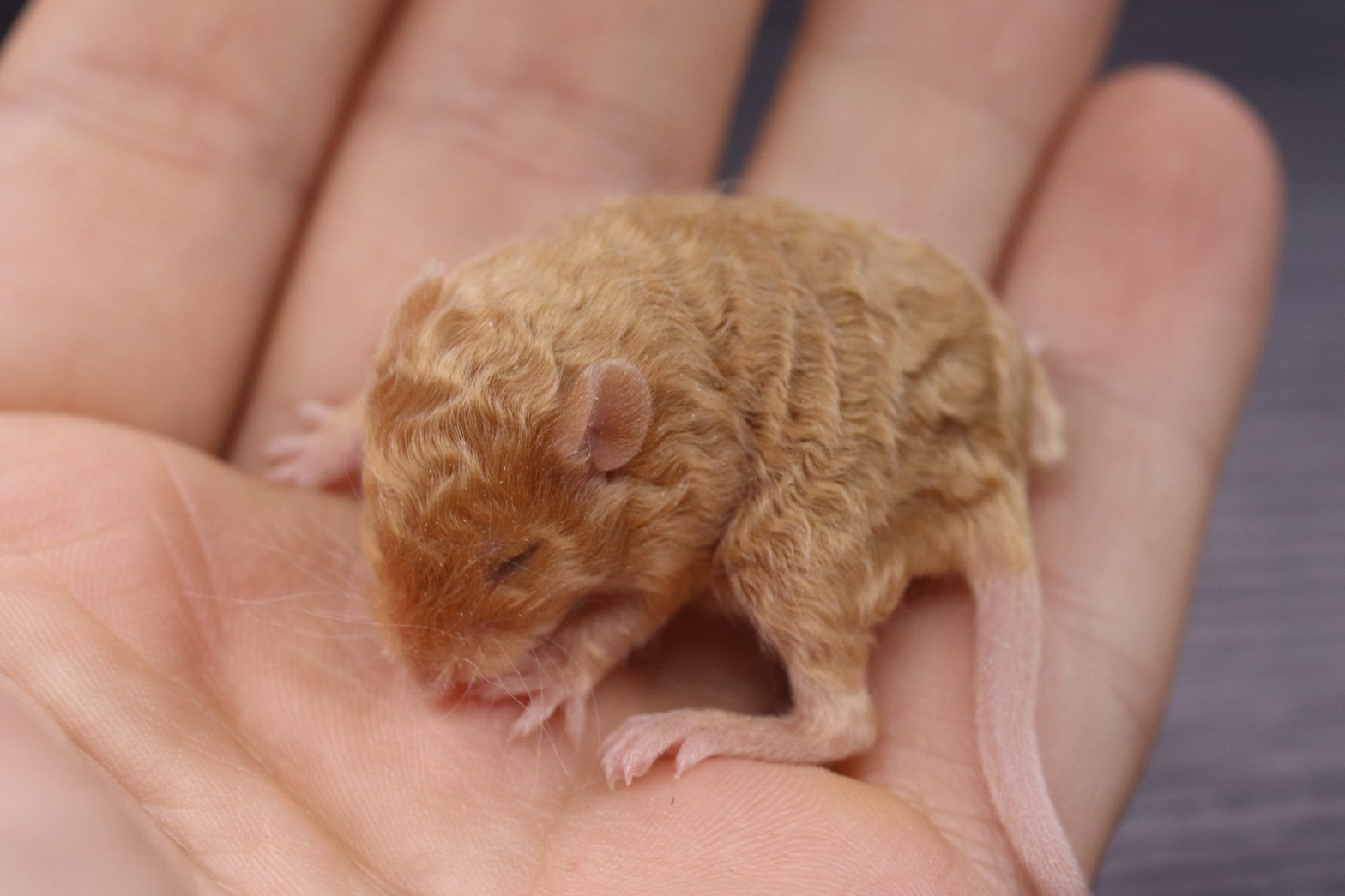
MisterMiceGuy is focusing on breeding mice who have curly/wavy hair. The gene responsible for this trait is called Rex (Re) and is located on the chromosome 11 (Crew & Auerbach 1939, Sundberg and King Jr 1996). The Rex gene is also commonly known Astrex (The Finnish Mouse Club 2020).

Rex mice were originally described by Crew and Auerbach (1939) when they received some mice from a Mr. Tuck who worked at the Rayleigh Rat and Mouse Farms in Essex, England. The gene was named after Rex Rabbits that had a similar coat texture (Crew & Auerbach 1939).
Today, in the fancy mouse hobby, there are inconsistencies regarding the casual naming of mouse genes and phenotypes (Robbin 2018, The Finnish Mouse Club 2020). Regardless of its casual name, the Rex gene should not be confused with a variety of other similar but distinct genes such as frizzy (Fr), Caracul (Ca), Wellhaarig (we), Waved-1 (wa-1), or Waved-2 (wa-2) (Spacek et al. 2010, Carter 1951). Mice with curly fur of unknown genetic origin are sometimes described as “Rexoid” (Carter 1951).

Rex and Caracal are described as being very similar or identical in phenotype but originating from different genes (Crew & Auerbach 1939). Rex and Waved-2 occur on the same chromosome and are loosely linked (Carter 1951). There are some interactions we between Rex and the waved-1 and waved-2 varieties (Carter 1951). A notable difference between Rex and waved-2 is the presence of open eyelids at birth (Toonen, Liang, and Sidjanin 2012).

Although once thought to a be a complete dominant autosomal gene (Crew and Auerbach 1939) it has been since discovered that the Rex gene has incomplete dominance (Carter 1951). Heterozygous mice (ie mice with one copy of the Rex gene) will have smoother coats, looser waves, and more widely spread whiskers. Homozygous mice (with two copies of the Rex gene) have rough coats, whiskers that heavily curve inwards towards the mouse and have been described as “walrus” like (Carter 1951).

The difference between the phenotype of heterozygous and homozygous Rex mice has been thoroughly described by Carter (1951). On Day 7 Homozygous mice can be identified by heavily forward curled “walrus-like” whiskers and guard hairs on the neck and rear that curl forward. Heterozygous mice have whiskers and guard hairs that appear longer and straighter and are curled outwards just below the tip of the hair shaft (Carter 1951). As of March 2020 MisterMiceGuy does not have any homozygous mice to use to illustrate the “walrus-like” whiskers. Pictures to come as soon as homozygotes are produced.

On Day 11 through 20 homozygous mice have a ripple wave pattern that appears earlier, is tighter, and has a rougher appearance when compared to heterozygotes. Carter (1951) states that homozygotes might have a crest that develops along the midline on the dorsal and ventral surfaces however MisterMiceGuy has noted that this crest also appears in heterozygotes. This may be due to hobbyist having increased the quality of the Rex curls by selective breeding. Regardless the midline crest tends to disappear with age (Carter 1951).

By 3 weeks the coat tends to lose much of its curl and ripple effect but homozygous individuals will retain more of the curl and will have a rougher appearance than heterozygous individuals (Carter 1951)
The Rex gene is a fun and easy gene to work with due to its semi-dominant nature. This is especially true for new breeders as breeding a homozygous rex to a non-rex will produce all rex pups and breeding a heterozygous rex to a non-rex will produce half rex pups (Carter 1951). For dramatic effect, Rex can also be combined with long haired genes to produce Texels (Robbins 2018).

ported from my old website, may need updating
References
Carter, T. (1951) Wavy-coated mice: Phenotypic interactions and linkage tests between rex and (a) waved-1, (b) waved-2. Journal of Genetics, 50, 268–276. https://doi.org/10.1007/BF02996223
Crew, F.A.E., Auerbach, C. (1939) Rex: A dominant autosomal monogenic coat texture character in the mouse. Journal of Genetics, 38, 341. https://doi.org/10.1007/BF02982178
Robbins, K (2018) Texel Mice (a.k.a. Long Haired Frizzie). American Fancy Rat and Mouse association, retrieved from https://www.afrma.org/c-c_texelmice.htm
Spacek, D., Perez, A., Ferranti, K., Wu, L., Moy, D., King, T. (2010) The mouse frizzy (fr) and rat ‘hairless’ (frCR) mutations are natural variants of protease serine S1 family member 8 (Prss8). Experimental Dermatology, 19, 527-532.
Sundberg, J (1994) Handbook of Mouse Mutations with Skin and Hair Abnormalities: Animal Models and biomedical tools. CRC Press, pp. 407.
Sundberg, J., King Jr., L (1996) Mouse Mutations as Animal Models and Biomedical Tools for Dermatological Research. Journal of Investigative Dermatology, (106)2, 368-376.
The Finnish Mouse Club (2020). Genetics. Retrieved from: http://www.hiiret.fi/eng/breeding/?pg=5&sub=2&fbclid=IwAR2Hc-ZyIRHDt0o3_zY5pCiRMkkpEaW2EvKTIm2PwGpe418Qu63WGmOFdDU
Toonen, J., Liang, L. & Sidjanin, D.J. (2012) Waved with open eyelids 2 (woe2) is a novel spontaneous mouse mutation in the protein phosphatase 1, regulatory (inhibitor) subunit 13 like (Ppp1r13l)gene. BMC Genet 13, 76. https://doi.org/10.1186/1471-2156-13-76

A gene that MisterMiceGuy is working with is the Roan gene. In order to learn more about this gene an inquiry was made to the Fancy Mouse Breeders’ Association private group that revealed there may not be much research that has been conducted into the Roan gene and that much of what is written is just conjecture (Sampson 2020). Additional comments indicated that laboratories may call the gene roan unstable (roun) and that there are two versions of the recessive Roan gene (Laigaie 2020, Wyss 2019).
The Roan mice currently circulating in the Fancy Mouse Hobby were initially found in a feeder colony owned by Jack Ball of San Jose, CA and was developed by him in the 1980s (Robbins 2014, Emerson 2020b). In 2009 descendants of Ball’s Roan mice were sent by Mike Choido of New York to Dr. Roland Fischer in Germany. It’s reported that all Roan mice in Europe come from this line of mice (Robbins 2014). When it was first discovered the gene was referred to as “Jack Ball Roan” (Emerson 2020a).

According to Ball (1986) most genetic textbooks list the roan gene as lethal. The exact text books are not listed and MisterMiceGuy was unable to locate them. Lethal in this context seems to mean that homozygotes will fail to be born or will die shortly after birth (Ball 1986). The Roan gene that MisterMiceGuy is recessive and does not appear to be a lethal gene. This may indicate that there are multiple roan-like genes in circulation.
A literature search on Google Scholar and Medline for Roan Mice, Unstable Roan Mice, and Merle mice only returns one article by De Sepulveda, Guenet, and Panthier (1995) that discusses a “roan effect” gene (Wrio). This gene appears to be dominant and occured spontaneously in an inbred strain maintained at the Oswaldo Cruz Foundation in Rio de Janeiro, Brazil. Interestingly this gene is both dominant and lethal in its homozygous state which is similar to the gene in textbooks described by Ball (1986). Unfortunately, this gene is not the gene that MisterMiceGuy is working with because it is dominant. Although it is not the same, it does have a similar appearance and it is possible that this gene functions similarly to the recessive gene that is in MisterMiceGuy’s possession.

Confusingly, in addition to reports of there being two recessive roan genes (discussed later) there are also reports that both genes have variable expression. In some instances a roan mouse will have a coat that has a base color with white furs even distributed covering its entire body (see example 1). In other instances the mouse will have a different phenotype consisting of roan fur and solid patches (see example 2). This phenotypic variant is called Merle (Pochmann 1988). The solid patches are called “phenotypic reversions” because the coat is reverting back to its non-roan state (De Sepulveda, Guenet, and Panthier 1995). Animals with this phenotype are also known as mosaics (Pochmann 1988) but the mosaic term does not seem to be in common use in the fancy mouse community. Both versions of the recessive gene have this variable phenotype.
These solid patches are not symmetrical (De Sepulveda, Guenet, and Panthier 1995) and generally start and end at the midline (Pochmann 1988). They also seem randomly positioned (De Sepulveda, Guenet, and Panthier 1995) and not traditionally heritable (Pochmann 1988). Both Pachmann (1988) and De Sepulveda, Guenet, and Panthier (1995) compared the expression of the Roan gene to that of the pink-eyed unstable (pun) gene.

In the case of unstable genes such as pun, or potentially the recessive roan genes, the DNA is damaged in during the migration of cells during embryonic development. The DNA is only altered in certain cells through processes like hemizygous deletion or mitotic recombination (De Sepulveda, Guenet, and Panthier 1995). It was hypothesised by Pochmann (1988) that in the case of recessive Roan one of the alleles is lost randomly as the DNA is replicated and cells migrate from the midline across the embryo. The loss occurs at random leaving certain cells in a heterozygous state (a non-roan state) allowing pigment to be produced but only in select areas. This would explain why the pattern of solid patches in roan mice are not heritable and random.
Additional searches reveal that there are a variety of genes that produce white hairs in the coat such as Flecked (Fk), Freckled (Fkl), dominant roan (Rn), Varitint-Waddler (Va), Silver (si), and Misty (m) (Pochmann 1988 & Sviderskaya, Novak, Swank, and Bennett 1998). Based on photos and descriptions none of these are the same as the recessive Roan gene that is circulating in the American mouse breeding hobby today.
There have been reported to be two apparently distinct recessive Roan genes with similar phenotypic expression reported by Fancy Mouse Breeders. One has been identified as type 1 (early type) and the other is type 2 (late type) (Ball 1986, Wyss 2019). However, both variants seem to come from the single spontaneous mutation discovered by Ball in the 1980s (Emerson 2020b). If the gene developed as a spontaneous mutation in Ball’s colony it would seem highly unlikely that he would have had two instances of spontaneous mutation resulting in two genes with similar phenotype. MisterMiceGuy suspects that all of the phenotypic variants of the recessive roan gene (early, late, Roan, and Merle) come from the variable expression of a single gene.
The early type is described has having the roan pattern in place when the coat first comes in. It is distinguishable from late type because the white hairs will already be mixed in to certain patches of fur when the first coat develops and the animal will not change significantly as it ages (Ball 1988). This early type Roan development matches the hypothesis that Roan development has a similar mechanism to Pink-eye unstable pun as explained by Pochmann (1988). MisterMiceGuy has noticed that although his mice have been identified as the early type (Wyss 2019) it seems that the mice are born with mostly regular pigmentation and that the Roan pattern develops quickly after the coat grows in. This suggests that the Roan allele is not lost randomly during cell migration in the embryo. Perhaps what is randomly altered during embryonic cell migration is some sort of genetic factor that affects both A. if a cell will loose pigment and B. when a cell will loose pigment.
The late type as you might expect has poorly defined areas of roan and solid coloring when the coat first comes in. By the time the mouse is four or five weeks the coat rapidly fades to a lighter roan pattern revealing distinct solid patches in certain areas (Ball 1988). Being that in late type Roan the cells have pigment early on and then lose it suggests that the DNA is not lost during during cell replication during development and migration. It would seem that these cells maintain their homozygous state through embryonic development and then at some point later the DNA or melanocytes are lost. This supports MisterMiceGuy’s hypothesis that both early and late type recessive roan are the same gene and that there are additional modifiers affecting if a cell will lose pigmentation and when the pigmentation will be lost.

Additionally, MisterMiceGuy suspects that the Recessive Roan gene may be located at the W-locus on chromosome 5 and not a hypothetical “Ro” locus as is seemingly suggested on the Fancy Mouse Breeder groups and websites (Bernstein et al. 1990, Laigaie 2020, The Finnish Mouse Club 2020).
This is hypothesis is supported by the idea that W-locus genes are known to affect cell differentiation and coat color changes. Of particular interest is that the W-locus is known to have genes that produce pleiotropic developmental defects (Bernstein et al. 1990). Pleiotropic means that a single gene is responsible for a variety of phenotypes (Sheil 2020) which seems to be what we are observing in the Recessive Roan gene (Ball 1986, Pochmann 1988).
Similar effects can be seen on other W-locus genes whose phenotypes exhibit random and asymmetrical patterns such as the “Roan Effect” mice from Rio or Dominant white spotting W-locus mice (De Sepulveda, Guenet, & Panthier 1995, Geissler,McFarland, Russel, 1981).
Despite having complex and unknown genetic origins the Roan gene produces variable and stunning mice that are valuable contributions to the mouse breeding hobby. Additionally the roan gene can combine with many of the other coat color dilution genes such as black, chocolate, red, or even chinchilla to produce surprisingly beautiful mice (Ball 1986).
Updated March 25, 2020
ported from my old website, may need updating
References
Pochmann, V. (1988) Explanation of Roan Mouse Inheritance Factors. American Fancy Rat and Mouse Association. Retrieved from: https://www.afrma.org/roanmiceinh.htm?fbclid=IwAR36Ida8GpNQQGn0lHcafavg1MDkhT29BwbzZJlMsUjpPutYCWDFCJkGMBI
Ball, J. (1986) Breeding Roan Mice. American Fancy Rat and Mouse Association. Retrieved from: https://www.afrma.org/roanmice.htm
Geissler, E., McFarland, E., Russel, E. (1981) Analysis of pleiotropism at the dominant white spotting  locus of the house mouse: a description of ten new W alleles. Genetics, 97, 337-361.
De Sepulveda, P., Guenet, J. L., & Panthier, J. J. (1995). Phenotypic reversions at the W/Kit locus mediated by mitotic recombination in mice. Molecular and Cellular Biology, 15(11), 5898–5905.
Laigaie, M. (2020, March 19) Merle is ro^un (roan unstable). retrieved from: https://www.facebook.com/groups/mousebreeders/?multi_permalinks=1350454325157523¬if_id=1584629546420063¬if_t=feedback_reaction_generic [Facebook update]
Sampson, K. (2020, March 19) Most is just theories. retrieved from: https://www.facebook.com/groups/mousebreeders/?multi_permalinks=1350454325157523¬if_id=1584629546420063¬if_t=feedback_reaction_generic [Facebook update]
Wyss, J. (2019, December 11) There are two versions. Early and late. You have early. Personal Facebook Message.
Sviderskaya, E. V., Novak, E. K., Swank, R. T., & Bennett, D. C. (1998). The murine misty mutation: phenotypic effects on melanocytes, platelets and brown fat. Genetics, 148(1), 381–390.
Robbin, K. (2014) Mouse Genetic Questions. American Fancy Rat and Mouse Association. retrieved from https://www.afrma.org/roanmice.htm
The Finnish Mouse Club (2020) Varieties. Retrieved from: http://www.hiiret.fi/eng/breeding/?pg=4&sub=11&ala=8
Bernstein, A., Chabot, B., Dubreuil, P., Reith, A., Nocka, K., Majumder, S., Ray, P., Besmer, P. (1990). The mouse W/c-kit locus. Ciba Foundation symposium, 148, 158-66.
Shiel, W. (2020) Medical Definition of Pleiotropic. MedicineNet. Retrieved from: https://www.medicinenet.com/script/main/art.asp?articlekey=4942
Emerson, M (2020a) We called it Jack ball roan. Facebook post retrieved from: https://www.facebook.com/groups/mousebreeders/1355472471322375/?comment_id=1355493717986917&reply_comment_id=1355498774653078¬if_id=1585151197268579¬if_t=group_comment_mention
Emerson, M (2020b) “Both are from him and descended from the original female he pulled out of his feeder colony.” Personal Facebook message.

MisterMiceGuy has always been enamored with long haired animals and mice are no

exception. In fact is seems that long haired mice are very popular among pet owners and hobby breeders in general (The Finnish Mouse Club 2020). Because of this MisterMiceGuy is incorporating long haired genes into his line of mice.
There may actually be many genes influencing the length of a mouse’s coat (The Finnish Mouse Club 2020). The gene at play for hobbyist mice seems to be mutations of Fibroblast growth factor 5 gene (FGF5)(The Finnish Mouse Club 2020, Hébert, Rosenquist, Götz, and Marin 1994). Fibroblast Growth Factor 5 (Fgf5) is found on the outer root sheath of hair follicles during the anagen VI phase, which is a phase of hair follicle growth. The FGF5 protein serves to inhibits the elongation of the hair shaft and induces that start of the catagen phase of the hair cycle (Hébert, Rosenquist, Götz, and Marin 1994, and Ota et al. 2002) . In fgf5neo this growth factor seems to be reduced allowing for increased hair length (Hébert, Rosenquist, Götz, and Marin 1994).

According to The Finnish Mouse Club (2020) there is also the Angora gene (go) which appears to be present in the hobby population. Phenotypically it is similar or identical to fgf5neo. Unfortunately as it turns out angora is also recessive a mutant of the FGF5 gene meaning that mice with fgf5neo and fgf5go do not result in augmented hair length when bred together (Hébert, Rosenquist, Götz, and Marin 1994).
It appears that there may be other long hair genes that either are not common or do not exist at all in the hobby population and some of these include, lgh, Fgf5tm1Mrt, skc6, and skc8 genes (The Finnish Mouse Club 2020)
Based personal experience MisterMiceGuy suspects that there are even more additional factors affecting coat length. In mice, coat length reduces with age which may indicate an increased production of FGF5 protein with age. Additionally it seems that there is some difference between guard hairs and undercoat as some mice have very long guard hairs but an average undercoat. Anothing thing that MisterMiceGuy has noticed is that there are differences between hair density which seems unrelated to hair length but effects the overall appearance of the mouse’s coat.
T
References
Capillus (2017) Understanding Hair Growth Stages. Retrieved from: http://www.capillus.com/blog/understanding-hair-growth-stages
Hébert, J., Rosenquist, T., Götz, J., and Marin, G. (1994) FGF5 as a regulator of the hair growth cycle: Evidence from targeted and spontaneous mutations. Cell, (78)6, 1017-1025.
The Finnish Mouse Club (2020) Varieties. Retrieved from: http://www.hiiret.fi/eng/breeding/?pg=4&sub=11&ala=8
Ota, Y., Saitoh, Y., Suzuki, S., Ozawa, K., Kawano, M., and Imamura, T. (2002). Fibroblast growth factor 5 inhibits hair growth by blocking dermal papilla cell activation. Biochemical and Biophysical Research Communications. 290(1), 169-76.
The first documented version of the pink-eyed dilution mutation is believed to come from Asia and today there are over 100 documented varieties. Some of them occurred due to spontaneous natural mutations while others were induced mutations by means of x-ray or chemical mutagens. The genes occur on chromosome 7 and its referred to as the P-locus (Brilliant, Ching, Nakatsu, and Eicher 1994). The version of P-locus gene that is present in the fancy mouse hobby is simply called “Pink-Eye Dilution” (p). This is reported to be the oldest and most common version of the gene (Silvers 1979).

A common feature among these P-locus genes is a reduction in coat color and eye color pigment. Depending on the version of the gene this effect can be minor or extreme. Although the pink-eye effect can appear similar to that of C-locus genes, such as albino or siamese, but the genes are different and occur at a different locus (The Finnish Mouse Club 2020, Brilliant, Ching, Nakatsu, and Eicher 1994).
The genotype for homozygous pink eye is “p/p” but this is always combined with other coat color genes and produces a variety of phenotypes (American Fancy Rat and Mouse Association 2019).

Another thing to keep in mind that different Fancy Mouse Clubs may use different terms to describe a phenotype even though the genotype may be the same. For example mice that have the pink-eyed black genotype (aa pp) may be referred to as Dove, Lilac (The Finnish Mouse Club 2020) or blue lilac (Silvers 1979). Conversely, sometimes a phenotype name may be used regardless of the mouses genotype (Fance Mouse Breeders Association 2020).
Some common phenotype names that involve the pink-eye dilution gene include Dove, Pink-eyed Dove, Lilac, Blue Lilac, Silver, Pink-eyed Blue, champagne, Cream, Chinchillated Dove, Lavender, Orange, Argente, Blue Argente, Argnete Creme, Pink-eyed Fawn, Cinnamon, Fawn, or White. Pink-Eye Dilution gene can also accompany any variety of marking such as pied, spashed, broken, hereford, head spot, rumpwhite, merle, roan or any variety of coat type such as nude, angora, texel, or frizzie (Fance Mouse Breeders Association 2020, Silvers 1979, The Finnish Mouse Club 2020, American Fancy Rat and Mouse Association 2019).
This is a port from an older article I wrote and may need updating
References
Brilliant, M., Ching, A., Nakatsu, Y, and Eicher, E. (1994) The Original Pink-Eyed Dilution Mutation (p ) Arose in Asiatic Mice: Implications for the H4 Minor Histocompatibility Antigen, Myodl Regulation and the Origin of Inbred Strains. Genetics, 138, 203-211
Silvers, W. (1979) The Coat Colors of Mice: A Model for Mammalian Gene Action and Interaction. Springer Verlag, Retrieved from: http://www.informatics.jax.org/wksilvers/index.shtml
American Fancy Rat and Mouse Association (2019) Fancy Mouse Genes, Alphabetical Name Listing, Retireved from: https://www.afrma.org/geneticsblackmse.htm
The Finnish Mouse Club (2020) P-locus. Retrieved from: http://www.hiiret.fi/eng/breeding/?pg=5&sub=7
Fancy Mouse Breeder’s Association (2020) Show Standards. Retrieved from: http://www.fmbamice.com/show-standards/
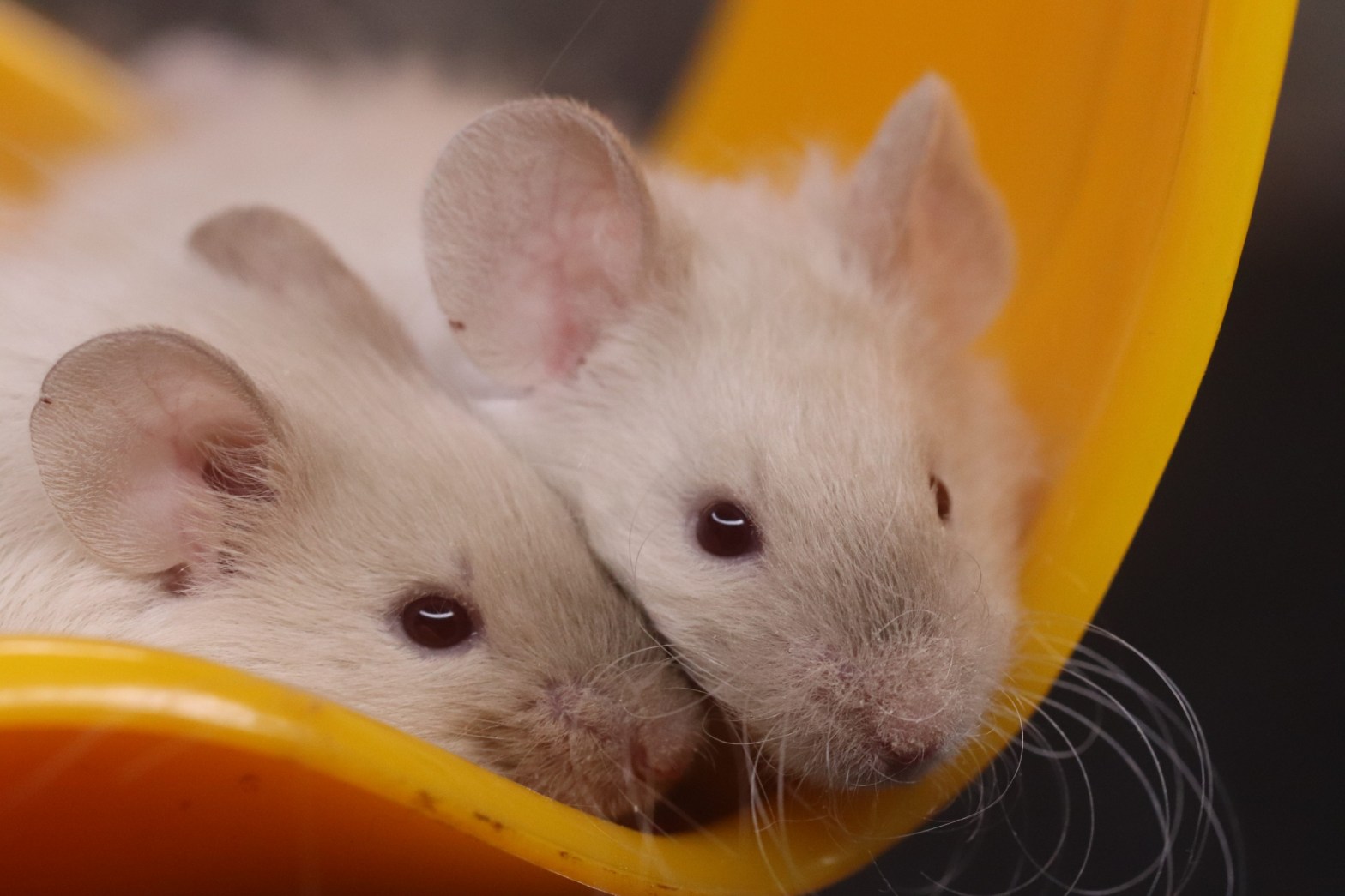
The Himalayan gene produces a phenotype characterized by having a light-colored or white body with dark extremities. The phenotype is sometimes also known as “Siamese” and is seen is species such as rabbits, cats, guinea pigs, and hamsters. (Green, n.d.)
Reportedly, an early or possibly the first description of a mouse with the appearance of the Himalayan gene was recorded in 1939 on a German island by E. Mohr. However, I have not been able to access this German reference. Another mouse that had a wildtype color but slowly changed into a Himalayan appearance after about five months of age was described but it did not produce any offspring that possessed the trait (Dickie, 1944).
Subsequently, (Green, n.d.). described the appearance of what appears to be the Himalayan gene in the mouse hobby. It occurred in a litter of seven pups produced at the Jackson Memorial Laboratory and identified by Madeline Jewett. They describe the phenotype as starting white, like an albino, but the points become progressively darker with each molt. The darkness of the points is also described as being temperature-sensitive. Additionally, the eyes are described as unpigmented at birth but becoming progressively darker with age and are ruby colored at weaning. Testing breeding at the time proved that the Himalayan gene was a c-series albino gene, and it was given the symbol ch (Green, n.d.).
It’s possible, in fact it’s likely, that the Himalayan gene in mice causes alterations in brain development and in the neural projections coming from the retina causing an altered visual perception, possibly loss of depth perception (Jeffery et al., 1994; Kaas, 2005). However, it should be noted that while mice do normally possess binocular depth perception (Boone et al., 2021), the loss of it might not be obvious just as it’s not obvious in domestic cats (Kaas, n.d.).
References
Jeffery, g, Schuts, g, & Montolu, l. (1994). Correction of abnormal retinal pathways found with albinism by introduction of a functional tyrosinase gene in transgenic mice. Developmental Biology, 166, 460–464.
Boone, H. C., Samonds, J. M., Crouse, E. C., Barr, C., Priebe, N. J., & McGee, A. W. (2021). Natural binocular depth discrimination behavior in mice explained by visual cortical activity. Current Biology, 31(10), 2191-2198.e3. https://doi.org/10.1016/j.cub.2021.02.031
Dickie, M. M. (1944). A UNIQUE “HIMALAYAN” MOUSE. Journal of Heredity . https://academic.oup.com/jhered/article/36/9/265/872245
Green, M. C. (n.d.). HIMALAYAN, A NEW ALLELE OF ALBINO IN THE MOUSE HIMALAYAN MOUSE. https://academic.oup.com/jhered/article/52/2/73/757038
Kaas, J. H. (2005). Serendipity and the Siamese Cat: The Discovery That Genes for Coat and Eye Pigment Affect the Brain. ILAR Journal, 46(5). https://academic.oup.com/ilarjournal/article/46/4/357/656824
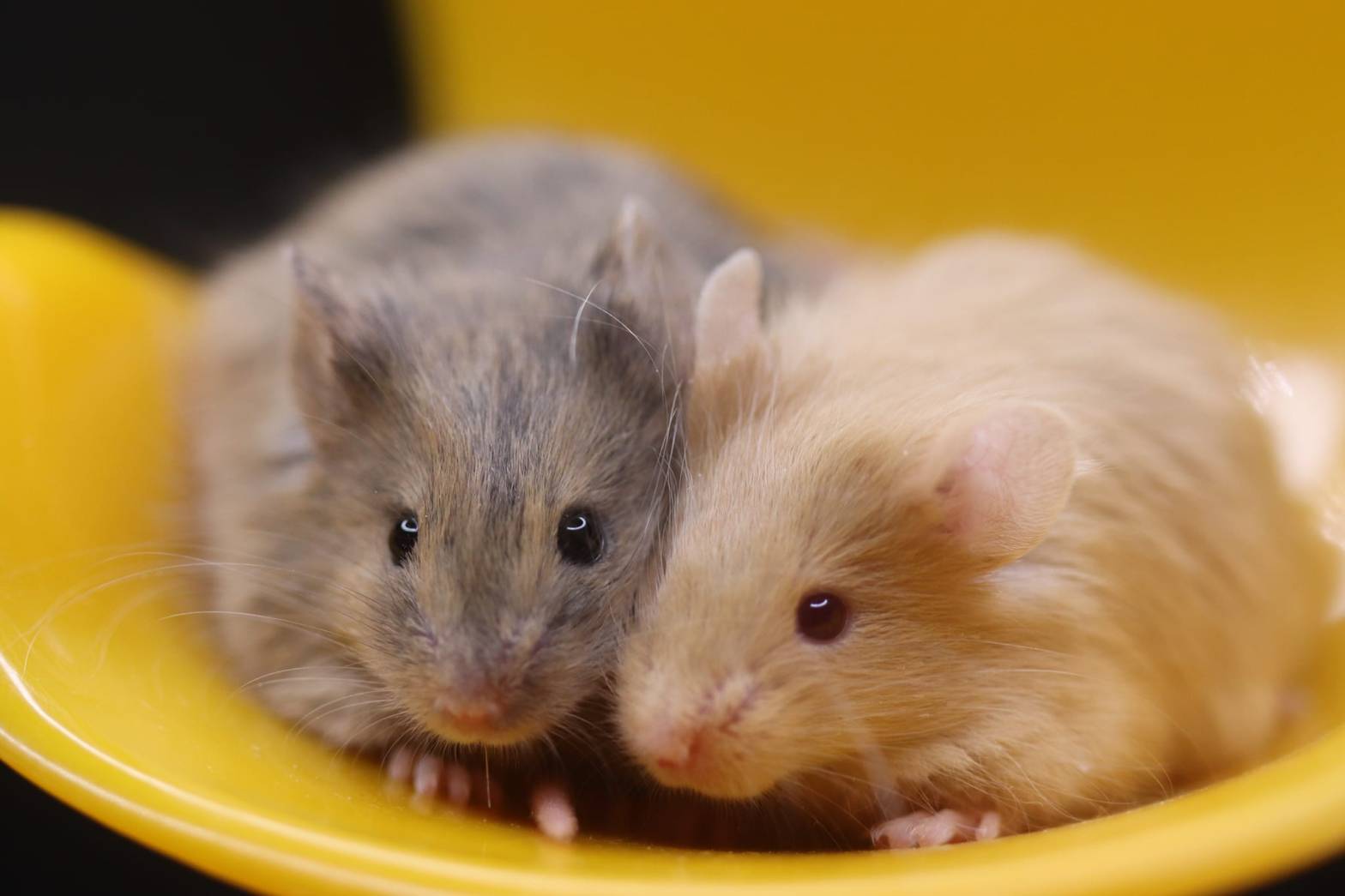


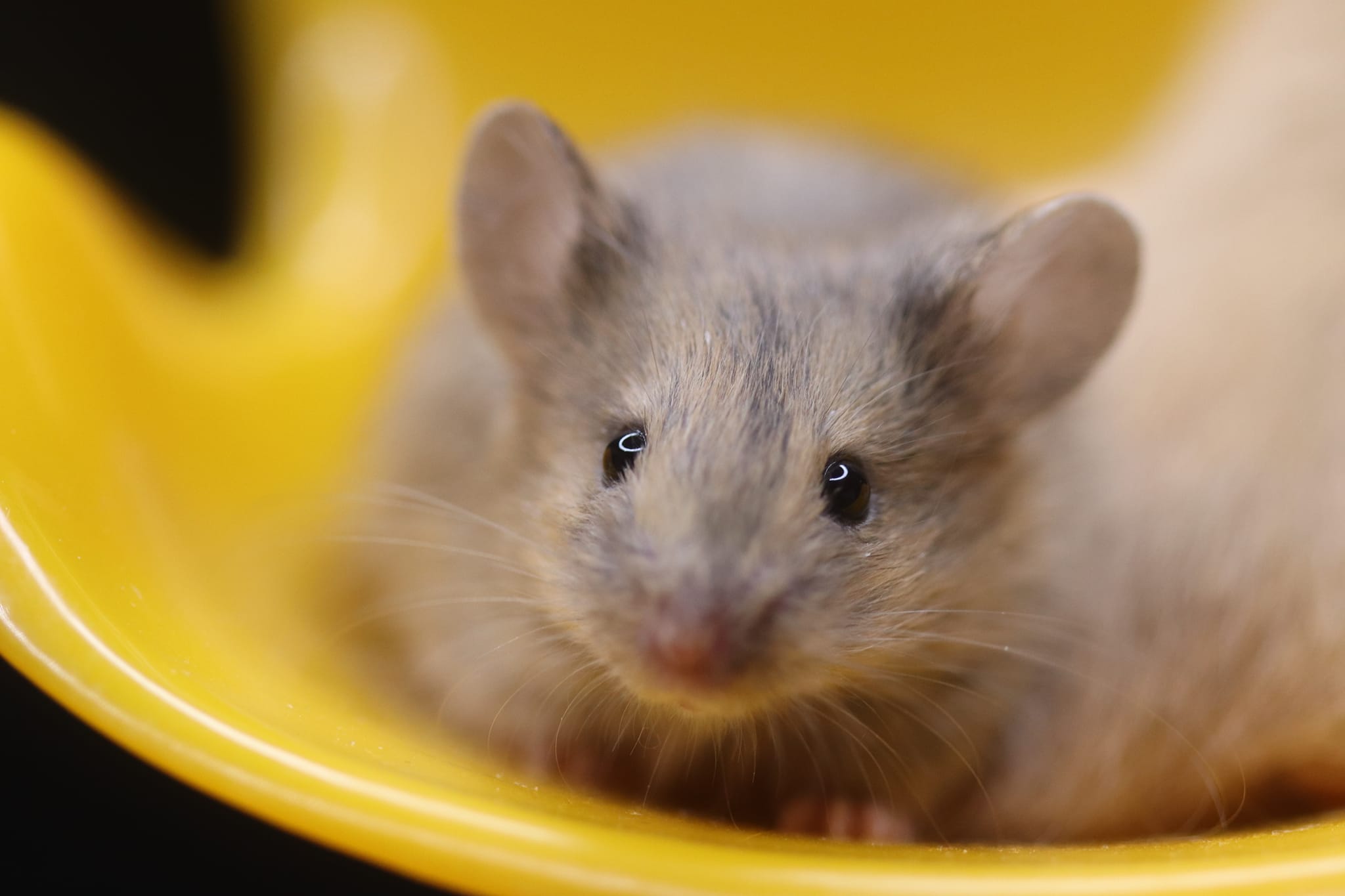


MisterMiceGuy was on a haitus due to graduate but is back with some new mice! I’ve explored a bunch of different options as far as goals and branding but I decided to stay with the MisterMiceGuy brand and theming.
Pictured above are the first generation of new mice. The male is an Angora Brindle and the female is an unmarked pink-eyed Angora Brindle. I have high hopes that this will be the start of new growth of MisterMiceGuy as a business and start of much science-based educational content going forward!
I will be active off on and on but I plan on starting to produce more mouse based content similar to what I was doing in the past. However, going forward MisterMiceGuy will be expanding to include mouse content that is more explicitly educational in nature. I will also be producing a variety of other educational resources and materials.

 MisterMiceGuy